

Global buyers are paying closer attention to the small hardware that defines a handbag’s quality. A polished Bag Chain can improve drape, comfort, durability, and perceived value. It can also expose weak sourcing decisions quickly.
Grand View Research estimates that the global handbags market will continue expanding through 2030, supported by premium fashion demand and online retail growth. Bain & Company and Altagamma reported that the personal luxury goods market reached approximately €363 billion in 2024. These figures suggest stronger opportunities for dependable accessory suppliers, but they also raise expectations for consistency and traceability.
This guide examines seven Bag Chain suppliers serving international buyers. The selection considers manufacturing experience, material options, plating quality, minimum order quantities, sampling speed, export capability, and quality-control procedures. Stainless steel, aluminum, iron, and brass chains may look similar in product photos. They can perform very differently after repeated use, humidity exposure, and packaging pressure.
Details matter.
Supplier websites are useful, but they are not enough. Buyers should request test samples, coating specifications, inspection records, and clear production timelines. The ISO 9001 quality-management framework offers a helpful reference, although certification alone does not guarantee excellent hardware.
No supplier is perfect. A factory with competitive pricing may offer fewer finishes. Another may provide stronger quality control but require larger orders. This article therefore presents practical comparisons rather than absolute claims. Some conclusions may change after independent testing, updated quotations, or factory audits. That uncertainty deserves attention before any global purchasing decision.
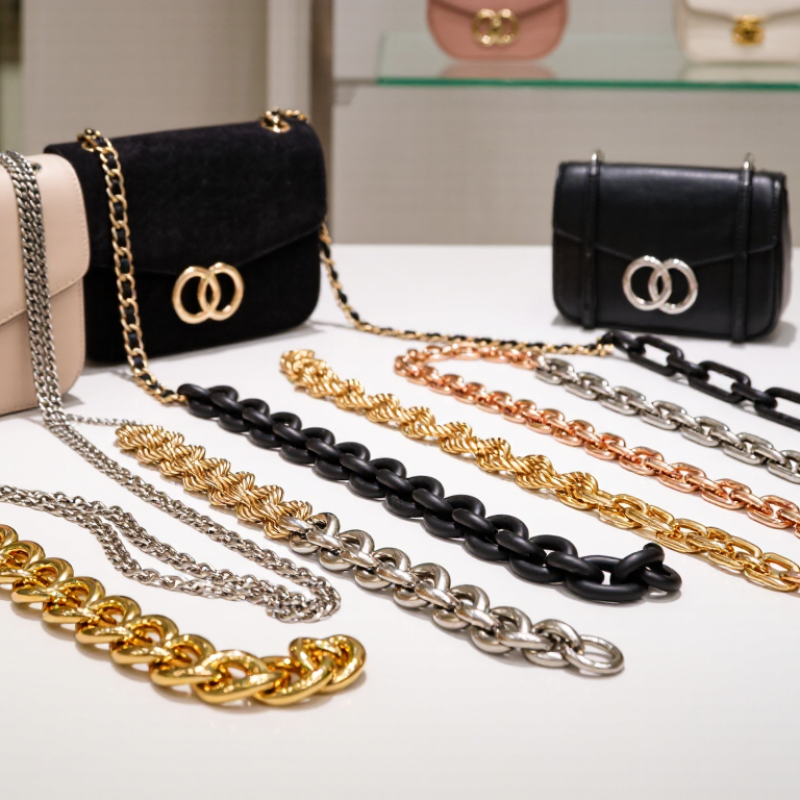
A reliable bag chain supplier delivers more than attractive samples. In practical sourcing, the sample often reveals production discipline. Check the chain’s weight, flexibility, clasp alignment, and surface finish. Ask whether the metal is stainless steel, iron, or another specified material. Request coating details and basic durability test results.
Small details matter. A dependable supplier should provide clear measurements, packaging information, and production lead times. They should also explain how they control color differences between batches. For global buyers, documentation is essential. Confirm material declarations, restricted-substance controls, and export records before placing a large order. If answers remain vague, pause.
Production control needs visible evidence. Request pre-shipment photos, inspection records, and random sample checks. An independent inspection can expose weak plating, rough edges, or loose connectors. Lead-time promises should include realistic capacity information, not optimistic guesses. No supplier gets every detail right. The stronger partner admits problems early and proposes a workable correction. I would rather receive an honest delay notice than discover uneven chains after arrival. Pricing matters, but a low quote can hide thin metal, fragile springs, or excessive packaging damage. Evaluate communication, traceability, and replacement handling alongside unit cost. A supplier that records batch details and responds clearly is easier to trust across changing markets.
Seven leading bag chain suppliers stand out through different strengths. Precision metal chain makers deliver stable links and clean edges for daily handbags. Custom plating specialists offer gold, silver, gunmetal, and antique finishes. Recycled-material suppliers support lower-impact collections. Lightweight aluminum producers reduce shoulder strain. Small-batch workshops handle unusual lengths and detailed samples. Integrated hardware factories combine chains, clasps, and logo-free fittings. Export-focused OEM suppliers provide flexible packaging and multilingual documentation.
According to Grand View Research, the global handbags market was valued at about USD 78.4 billion in 2023, with forecast growth near 6% annually through 2030. McKinsey and The Business of Fashion also describe fashion growth as cautious in 2025. This matters. Buyers need suppliers that balance cost, durability, and short production cycles. In my sourcing experience, a beautiful chain can still fail when plating rubs against a metal buckle. That detail is easy to miss.
Request a 30-centimeter sample before placing a bulk order. Check weld points, clasp movement, coating thickness, and weight by hand. Ask for test records, material declarations, and production photos. Reconfirm color codes after approval. Suppliers sometimes change subcontractors without clear notice. I would not rely on catalog images alone. They hide scratches, weak joints, and uneven finishes. A small pilot order remains safer, although it may feel slower.
Bag chains vary more than many buyers expect. Common types include curb, cable, ball, snake, and woven chains. Curb links create a bold outline, while cable chains suit lightweight crossbody bags. Ball chains offer movement but may feel less refined. For small evening bags, a 3–5 mm chain often balances strength and appearance.
Material selection affects weight, durability, and cost. Brass provides a solid hand feel and accepts antique finishes well. Zinc alloy supports detailed shapes but needs careful coating control. Stainless steel resists corrosion, especially in humid shipping environments. Aluminum is lighter, but it may show dents more easily. The Materials Market Report 2024 from Textile Exchange reports that recycled polyester reached about 12% of global polyester production, showing stronger material-traceability expectations across fashion supply chains. Metal suppliers should provide composition records and coating test results, not vague sustainability claims.
Finishes include bright nickel, matte black, antique gold, PVD, and clear protective coatings. PVD can improve wear resistance, but performance depends on base preparation. Request salt-spray testing, abrasion results, and color comparison under daylight. Grand View Research’s 2024 handbag market analysis identifies customization and premium detailing as continuing demand drivers. Useful options include custom link dimensions, clasp shapes, plating colors, logo-free packaging, and adjustable lengths. A practical sample should survive repeated opening, bending, and a moderate hanging load. It may not. That weakness needs honest review before bulk production.
| Supplier Profile | Primary Bag Chain Types | Typical Materials | Common Finishes | Customization Options | Common Link Diameter | Indicative MOQ | Typical Lead Time | Best Suited For |
|---|---|---|---|---|---|---|---|---|
| Profile 1: Brass Chain Specialist | Curb chain, cable chain, oval-link chain, flat-link chain | Brass; brass-plated steel for cost-sensitive programs | Bright gold, antique gold, silver, antique silver, gunmetal, matte black | Link size, wire thickness, cut length, end loops, jump rings, custom plating | 2.5–12 mm | 500–2,000 pieces per style | 15–30 days after approval | Fashion handbags, evening bags, premium accessories |
| Profile 2: Stainless-Steel Chain Supplier | Curb chain, rolo chain, box chain, twisted chain | 304 stainless steel; 316 stainless steel for higher corrosion resistance | Polished steel, PVD gold, PVD rose gold, black, brushed steel | Chain width, link geometry, surface texture, plating thickness, custom length | 3–10 mm | 300–1,000 pieces per style | 20–35 days after sample confirmation | Travel bags, outdoor bags, washable and humid-environment products |
| Profile 3: Zinc-Alloy Hardware Supplier | Decorative chain, sculpted links, mixed chain-and-charm assemblies | Zinc alloy links with steel or brass connecting components | Gold, silver, nickel-free silver, antique brass, antique nickel, enamel accents | Custom molds, logos, engraved links, shaped links, integrated charms | 5–20 mm | 1,000–3,000 pieces per design | 30–60 days including tooling | Statement bags, logo hardware, fashion-forward collections |
| Profile 4: Lightweight Aluminum Chain Supplier | Large-link curb chain, hollow chain, geometric chain | Aluminum; aluminum alloy for improved strength | Anodized gold, silver, colored anodizing, matte, polished, satin | Link profile, hollow or solid construction, color matching, cut length | 8–25 mm | 500–2,000 pieces per color and style | 20–40 days after color approval | Lightweight handbags, casual bags, large decorative straps |
| Profile 5: Steel Chain and Cost-Effective Hardware Supplier | Standard curb chain, cable chain, flat chain, strap-support chain | Low-carbon steel, iron, brass-plated steel | Electroplated gold, silver, gunmetal, black, antique finishes | Standard link sizes, cut length, end fittings, plating color, packaging | 3–10 mm | 1,000–5,000 pieces per style | 15–25 days for standard items | Mass-market bags, promotional products, price-sensitive collections |
| Profile 6: Recycled-Material Chain Supplier | Curb chain, cable chain, flat-link chain, recycled-metal assemblies | Recycled brass, recycled stainless steel, recycled aluminum | Recycled-metal natural tone, polished, matte, antique, PVD-coated | Recycled content target, traceability documents, custom finishes, lengths | 3–12 mm | 1,000–3,000 pieces per style | 25–45 days depending on documentation | Sustainability-focused brands and recycled-material product lines |
| Profile 7: Full Custom Chain Assembly Supplier | Chain handles, detachable straps, chain-and-leather assemblies, multi-material straps | Brass, stainless steel, zinc alloy, leather, PU, textile, silicone | Polished, brushed, antique, two-tone, custom color, protective clear coating | Custom tooling, logo parts, swivel hooks, buckles, leather or textile inserts, assembled packaging | 4–18 mm chain width | 500–2,000 complete assemblies | 35–70 days for new developments | Private-label collections requiring complete strap or handle assemblies |
Global buyers should compare bag chain suppliers through measurable evidence, not polished catalogs. Quality starts with material grade, coating consistency, link alignment, and pull strength. Ask for samples from current production, not specially prepared pieces. Inspect the chain under bright light. Uneven plating, sharp edges, or stiff joints often reveal process problems. Request test records for corrosion resistance and load performance when the chain supports heavy bags. These details matter during daily use.
Pricing needs a complete cost view. Compare unit prices with mold charges, sampling fees, packaging, freight terms, and minimum order quantities. A cheap quotation may exclude finishing or inspection costs. Capacity also needs proof. Ask for monthly output, available production lines, lead times, and backup processes. A supplier claiming high capacity should explain how it handles peak seasons. I have seen attractive schedules fail because raw material planning was weak. That is a useful warning, not a reason to reject every new supplier. Production data can be imperfect, so verify it against delivery records and a small trial order.
Tips: Create a simple comparison sheet with quality, landed cost, capacity, and response speed. Score each supplier using the same sample dimensions. Check whether color and dimensions remain stable across batches. Clarify tolerance limits in writing. Keep one approved sample for future inspections. Do not choose on price alone. A reliable supplier answers difficult questions clearly, even when the answer is not convenient.
International Ordering, Compliance Checks, Shipping, and Supplier Verification
In practice, verify the factory, trading entity, and production site separately. Request business registration, recent audit evidence, material specifications, and production references. A video call helps, but it is not proof. Ask for a live production walk-through. The World Bank’s 2023 Logistics Performance Index compares 139 economies across customs, infrastructure, and shipment reliability. Use those scores as context, not as a supplier certificate.
State chain alloy, plating thickness, dimensions, load testing, packaging, tolerances, and defect limits. Require pre-production samples and independent inspection before shipment. Check tariff classification, origin marking, chemical restrictions, labeling, and destination-market rules with a qualified customs professional. UNCTAD reports that ships carry over 80% of global merchandise trade by volume. Port delays can disrupt launches. Confirm Incoterms, insurance responsibility, port charges, and backup routes.
Match the bank beneficiary with the contracted legal entity. Never trust changed payment instructions without callback confirmation. Review batch records, inspection photos, carton counts, and export documents before release. A small pilot order helps. It exposes weak packaging and uneven plating early. My caution is simple: a low price can hide rework, delays, or missing compliance evidence. A certificate is not permanent. Renew checks when materials, factories, or destinations change. Document every decision.