What is the Best Video Surveillance Cameras for Your Needs?
In today's digital landscape, the demand for video surveillance cameras continues to grow significantly. According to a recent report by MarketsandMarkets, the global video surveillance market is projected to reach $78.6 billion by 2025, evidencing the increasing importance of security in various sectors. Whether for residential, commercial, or industrial applications, selecting the right video surveillance cameras is vital to ensure maximum safety and peace of mind.
Industry expert Dr. Amelia Carter emphasizes, "Choosing the right surveillance system is not just about features but about understanding your unique needs." Her insights underline the necessity of assessing specific requirements, such as resolution, storage capacity, and smart features. As design and technology evolve, users often face confusion over which options best suit their situations. The wide variety available can be overwhelming, leading to decisions that may not align with actual needs.
As you navigate through options, consider factors like installation environment and connectivity. It's easy to focus on trendy specifications, but practicality is essential. An informed choice reflects both personal safety concerns and technological advancements. This delicate balance is crucial for effective video surveillance camera deployment.
Understanding Your Surveillance Needs and Objectives
When considering video surveillance, understanding your specific needs is crucial. Are you monitoring a retail space, a home, or an office? Each environment has unique challenges. High-traffic areas may require multiple cameras to cover the entire space. Homes typically need fewer cameras, but they should be strategically placed for comprehensive coverage.
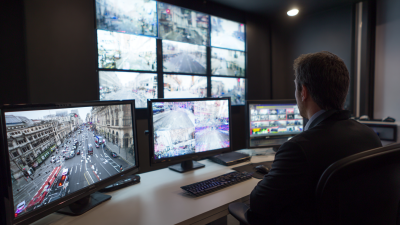
Evaluate your objectives carefully. Do you need live monitoring, or are recorded footage and motion detection sufficient? The clarity of images matters. High-resolution cameras provide better detail, especially in low-light situations. However, a more complex system isn’t always the answer. Sometimes, simpler setups meet your needs effectively, but they require careful planning.
Think about storage options as well. Cloud storage offers accessibility but might come with recurring fees. Local storage provides one-time costs but can have limitations. The choice often reflects personal preferences and financial considerations. Reflecting on these factors is key to making a wise investment in surveillance technology. Streamlined decisions can lead to effective monitoring solutions tailored to your requirements.
Best Video Surveillance Cameras for Your Needs
Understanding the different types of video surveillance cameras available based on their features and suitability for various needs.
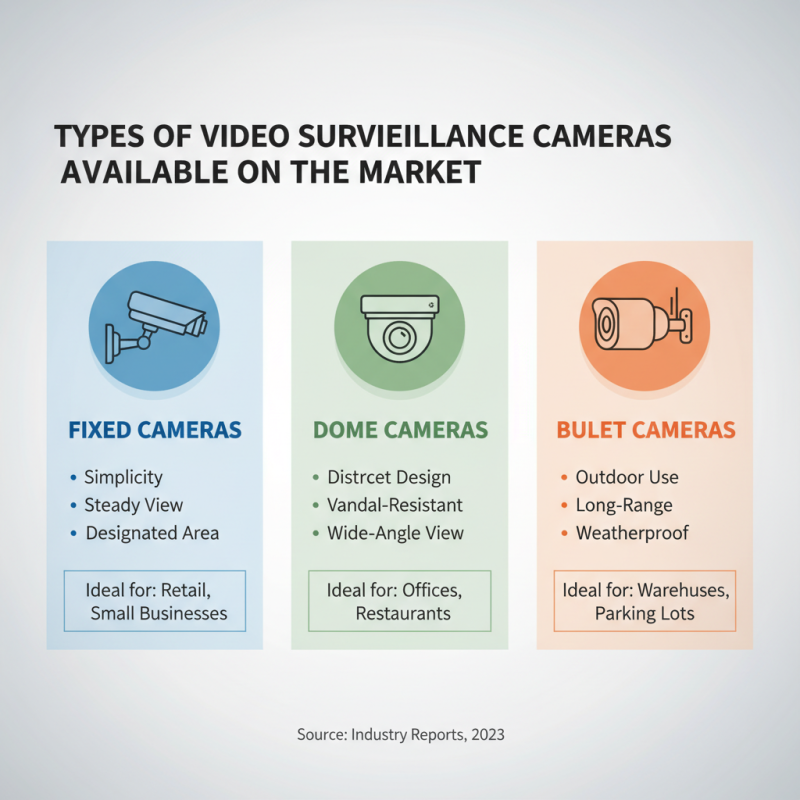
Types of Video Surveillance Cameras Available on the Market
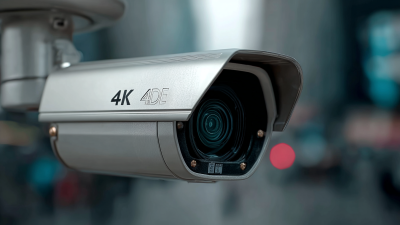
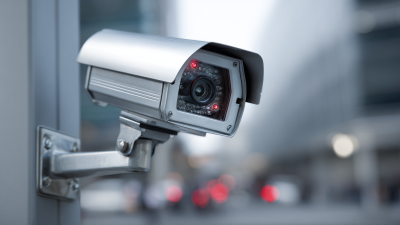
When choosing a video surveillance camera, understanding the types available is crucial. There are several key categories. Fixed cameras are popular for their simplicity. They offer a steady view of a designated area. Studies reveal they are commonly used in retail, capturing customer behavior effectively. Their affordability makes them an attractive option for small businesses.
PTZ (pan-tilt-zoom) cameras provide more flexibility. Users can adjust the camera's position remotely. This adjusts the surveillance focus dynamically. According to a recent report, these cameras can cover broader areas compared to fixed models. However, their installation can be more complex. Balancing cost and functionality is essential when deciding.
Another type is the dome camera. Known for their discreet design, they reduce vandalism risks. Their wide-angle view can cover large spaces effectively. However, they can create blind spots if not positioned correctly. Users should conduct a thorough site assessment to maximize coverage. Each type has distinct advantages and drawbacks. Finding the right fit requires consideration of specific surveillance needs.
Key Features to Consider When Choosing a Surveillance Camera
When selecting a video surveillance camera, several key features should be prioritized. Image quality is crucial. Look for cameras that offer high-definition video. The resolution impacts how clearly you can see events captured. Color accuracy and low-light performance also matter. Night vision technology greatly enhances security during darker hours.
Consider the camera's field of view. A wider angle allows more area to be monitored. However, it may distort images. This trade-off needs attention. Additionally, think about the camera's durability. Outdoor models must resist weather elements. Indoor cameras should be compact and blend with surroundings.
Storage options are essential too. Cloud services provide remote access but can incur ongoing costs. Local storage might save money but can be less convenient. Lastly, ease of installation is often overlooked. A complicated setup can lead to installation errors. Reflecting on all these factors will help you choose the right camera.
What is the Best Video Surveillance Cameras for Your Needs? - Key Features to Consider When Choosing a Surveillance Camera
| Camera Type |
Resolution |
Night Vision |
Field of View |
Storage Type |
Wireless Capability |
Price Range |
| Dome Camera |
1080p |
Yes |
90° |
Cloud or Local |
Yes |
$100 - $200 |
| Bullet Camera |
4MP |
Yes |
100° |
Local Only |
No |
$150 - $250 |
| PTZ Camera |
4K |
Yes |
360° |
Cloud or Local |
Yes |
$300 - $500 |
| IP Camera |
1080p |
No |
70° |
Cloud Only |
Yes |
$80 - $150 |
| Wireless Camera |
720p |
Yes |
90° |
Local |
Yes |
$50 - $100 |
Outdoor vs. Indoor Cameras: What You Need to Know
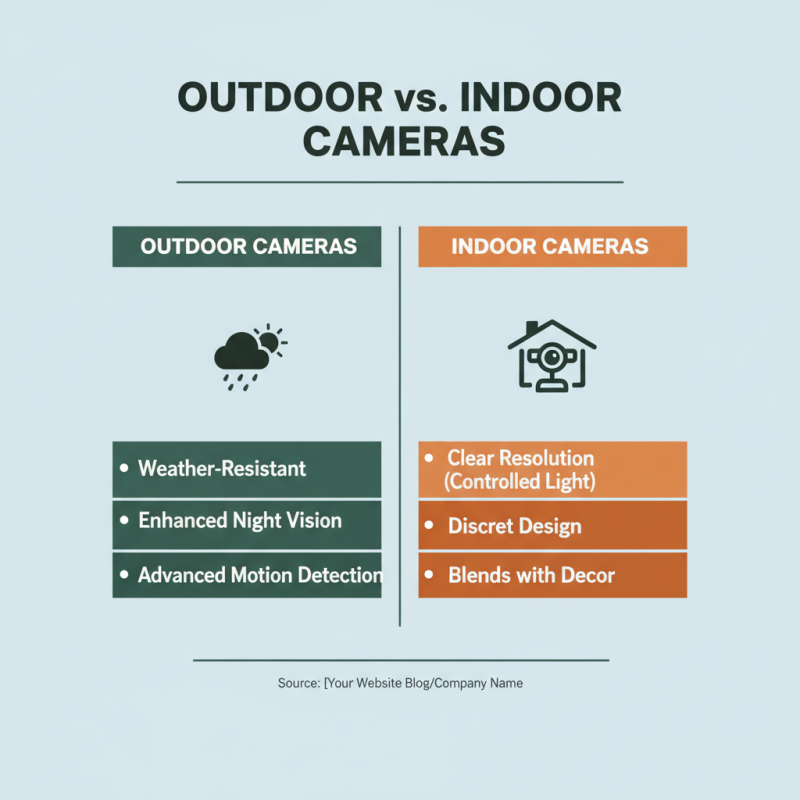
When choosing video surveillance cameras, understanding the differences between outdoor and indoor models is crucial. Outdoor cameras are built to withstand harsh weather. They often have better night vision and motion detection features. Indoor cameras, on the other hand, focus on providing clear resolutions in controlled environments. Their design is typically more discreet, blending with home decor.
Tips: When installing outdoor cameras, position them high enough to avoid tampering. Indoor cameras should be placed where they can cover high-traffic areas. Always consider lighting conditions when choosing camera features.
Siting your cameras carefully is essential. Outdoor cameras need to have a wide field of view for effective monitoring. Consider the layout of your property. Those with narrow access points may require additional cameras for complete coverage. For indoor spaces, focus on common entry points. A camera facing the front door can be invaluable.
Remember to evaluate your specific needs. Different environments might call for different solutions. Regularly review your footage for optimal security practices. It's a crucial part of ensuring your system remains effective and responsive.
Setting Up and Maintaining Your Video Surveillance System
Setting up a video surveillance system requires careful planning and consideration. According to a recent report by the Security Industry Association, 79% of businesses see improved security after installing surveillance systems. Understanding what your specific needs are will help you choose the right cameras and equipment. Placement is key. You should cover all entry points and high-traffic areas. This ensures comprehensive monitoring and reduces blind spots.
Maintaining your system is equally vital. Regular updates and inspections can prevent malfunctions. The same report indicated that 60% of systems fail due to lack of maintenance. Regularly clean your cameras and check connections for optimal performance. It is essential to keep records of any issues encountered and adjustments made; this can help identify recurring problems. An organized approach to maintenance can significantly extend the life of your equipment. Adapt your setup and maintenance practices as your security needs evolve over time.