What Is a Street Light Lamp and How Does It Work?
A Street Light Lamp is more than a bright fixture beside a road. It is part of a carefully planned outdoor lighting system. Its purpose is to improve visibility for drivers, cyclists, and pedestrians after sunset. It can also make crossings, intersections, and public paths easier to navigate. However, brighter does not always mean better.
Most modern street lamps use LED technology, which converts electrical energy into visible light through semiconductor materials. A control system sends power to the LED module, while a driver regulates voltage and current. The lamp’s housing protects these components from rain, dust, vibration, and temperature changes. A lens or reflector then directs light toward the road instead of wasting it above nearby buildings. Some systems include photocells, timers, or network controls. These features allow lights to switch on automatically or reduce output during quieter hours.
The details matter. A poorly positioned lamp can create glare, dark patches, or unnecessary light pollution. Field experience shows that road width, mounting height, weather, and traffic patterns all influence performance. Engineers usually review illuminance measurements and maintenance records before choosing a replacement. Still, no design works perfectly in every location. Energy savings may conflict with uniform lighting, and sensors can respond imperfectly to fog or unexpected shadows. Understanding how a Street Light Lamp works helps communities make safer, more practical decisions about installation, operation, and long-term care.
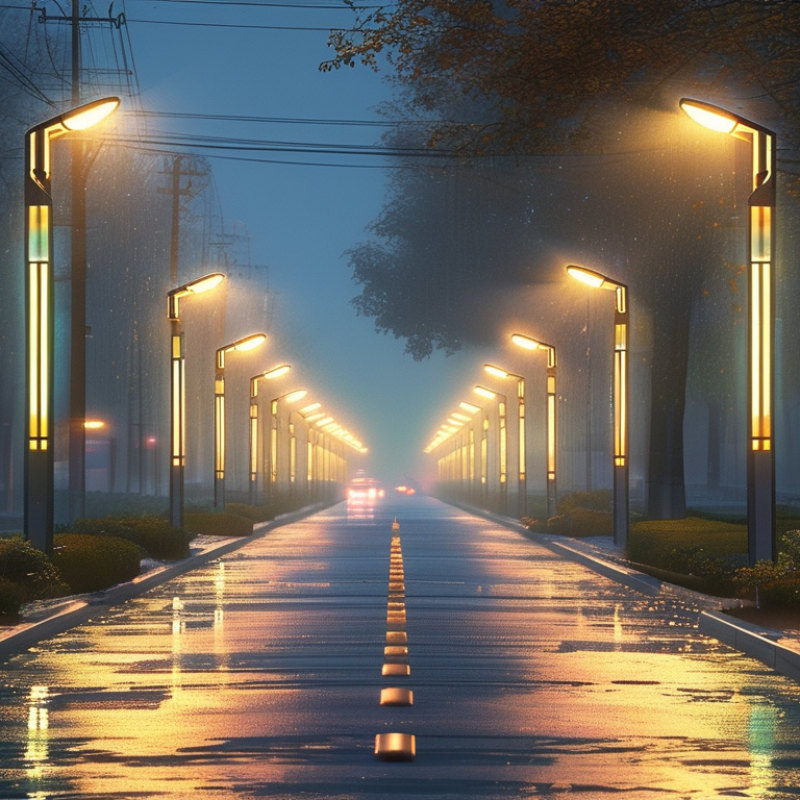
What a Street Light Lamp Is: Definition and Main Components
A street light lamp is an outdoor lighting unit that illuminates roads, sidewalks, crossings, and public spaces after dark. It is more than a glowing bulb. The complete unit usually includes a protective housing, light source, optical lens, electrical driver, mounting arm, and control device. The housing shields internal parts from rain, dust, and impact. The lens directs light toward the pavement, reducing wasted brightness and dark patches.
The light source produces illumination, while the driver regulates electrical current and protects the circuit from unstable power. A photocell or digital controller can switch the lamp on at night and off during daylight. Some systems also adjust brightness according to traffic or scheduled settings. In field inspections, I check the lens for clouding, the housing seal for cracks, and the pole connection for movement. Small defects matter. A tilted lamp may create glare instead of useful road lighting. A simple definition can therefore be misleading, because performance depends on every connected component.
Tips: Keep the optical surface clean, but use a soft cloth and approved cleaning method. Inspect loose wiring only through qualified personnel. Confirm that the lamp’s brightness, beam angle, and mounting height suit the road. Light that appears powerful is not always effective. Regular testing should include nighttime observation, not only daytime electrical checks. This practical step is easy to overlook.
What Is a Street Light Lamp and How Does It Work?
A street light lamp is an outdoor lighting fixture designed to illuminate roads, sidewalks, intersections, and public areas. Modern street lights commonly use LED modules, which convert electrical energy into light through semiconductor diodes.
Typical LED Street Light Power Ratings
The chart shows representative nominal power ratings commonly used for LED street lighting. Actual selection depends on road width, mounting height, required illuminance, pole spacing, traffic conditions, and local lighting standards.
Main Components
- LED module: Produces light efficiently and provides the required optical output.
- LED driver: Converts incoming AC power into regulated current for the LEDs.
- Optical lens: Controls and distributes light across the roadway.
- Heat sink and housing: Removes heat and protects internal parts from weather.
- Photocell or lighting controller: Switches or dims the lamp according to daylight, schedules, or control signals.
- Surge protection: Helps protect the electrical system from voltage spikes caused by lightning or grid disturbances.
When the lamp receives power, the driver regulates the electrical current supplied to the LED module. The LEDs generate light, the optical system shapes the beam, and the housing dissipates heat while shielding the components from rain, dust, and impact.
How Electrical Energy Is Converted into Visible Light
What Is a Street Light Lamp and How Does It Work?
A street light lamp is an outdoor lighting unit that illuminates roads, sidewalks, and public spaces. In modern systems, electrical energy usually enters through an alternating-current supply. The lamp’s driver changes this electricity into controlled direct current. This step matters because light-emitting diodes need stable voltage and current to operate safely.
Inside each LED, electrons move across a semiconductor junction. Their movement releases energy as tiny particles called photons. Some photons fall within the visible spectrum, creating white light. A phosphor coating often changes part of the original blue light into warmer colors. The combined light reaches the road through lenses or reflectors. These optical parts shape the beam and reduce glare for drivers and pedestrians.
The process also creates heat. A metal housing transfers that heat away from the LEDs, helping preserve their output over time. The conversion is efficient, but it is not perfect. Energy also becomes heat, electrical resistance, and minor optical loss. A diagram can make the process look cleaner than it is. In real installations, dust, moisture, aging components, and voltage changes affect performance. I have found that a lamp producing bright light may still waste energy if its beam spreads beyond the pavement. Careful testing should measure brightness, power use, color quality, and temperature under actual outdoor conditions.
How Sensors and Controllers Turn Street Lights On and Off
A street light lamp illuminates roads, crossings, and public spaces after daylight fades. Its operation depends on sensors and a small control system. A photocell measures surrounding brightness through a light-sensitive component. When evening becomes dark enough, the sensor sends a signal to the controller. The controller then closes a relay and supplies power to the lamp. At dawn, the process reverses. The relay opens, and the lamp switches off.
Some systems use an astronomical clock instead of, or alongside, a photocell. It estimates sunset and sunrise from programmed location data. Motion sensors can also adjust lighting in quieter areas. They may keep lamps dimmed until movement appears nearby. Then the controller increases brightness for a set period. During maintenance inspections, loose wiring, dirty sensor covers, and incorrect settings are common causes of poor operation. No control system is perfect. A sensor can react late after dust, fog, or unexpected shadows affect its reading.
Tips: Keep the sensor window clean and unobstructed. Check the controller’s time and seasonal settings. Test switching during both daylight and darkness. Record unusual delays before replacing components. Small details matter.
Common Street Light Types, Uses, and Maintenance Requirements
A street light lamp is the replaceable light source inside a public outdoor fixture. It converts electrical energy into visible light, while the housing directs illumination toward roads, sidewalks, and crossings. Common types include LED, high-pressure sodium, metal halide, and compact fluorescent lamps. LEDs usually provide efficient operation, long service life, and instant start-up. High-pressure sodium lamps produce warm amber light and remain useful on some wide roads. Metal halide lamps offer whiter light, but their service life and energy performance can be less favorable. Compact fluorescent units suit limited applications, although cold weather may reduce their output. The best choice depends on road speed, pedestrian activity, weather, mounting height, and local lighting rules.
Street lighting supports night driving, walking, public transport, parking areas, and security around shared spaces. Good design avoids excessive glare and dark gaps. Maintenance begins with scheduled night inspections. Technicians check flicker, dim sections, damaged lenses, loose connections, corrosion, and water inside the housing. They also clean lenses, test electrical protection, tighten approved connections, and replace failed lamps or control parts. LED fixtures may require driver testing rather than simple lamp replacement. Records should note the pole location, fault date, repair action, and follow-up result. This detail helps teams identify repeated failures before they become expensive. Yet maintenance plans are not perfect. A lamp can pass a daytime check and still create unsafe shadows at night. Field judgment remains important, especially after storms, road changes, or complaints from pedestrians.