Top 10 Electronic Power Transformer Suppliers Worldwide?
Choosing an Electronic Power Transformer supplier is a technical decision with long-term consequences. A unit may sit in a substation for decades, facing heat, dust, voltage changes, and demanding load cycles. Buyers therefore need more than a familiar brand name. They need evidence: tested efficiency, insulation design, cooling options, factory quality controls, and dependable after-sales support. Small details matter. A clear test report can be more useful than a glossy brochure.
This overview examines ten major suppliers worldwide, while treating the ranking as a practical comparison rather than a universal verdict. Product range, manufacturing footprint, grid experience, and service reach all influence suitability. Requirements differ between a utility substation, an industrial plant, and a renewable-energy project. There is no single best fit. A. K. Sawhney, an electrical-machines textbook author, offers a useful engineering principle, paraphrased here: “A transformer must be selected for its operating conditions, not just its nameplate rating.” That distinction deserves attention. A buyer should check expected loading, ambient temperature, losses, noise limits, and maintenance access before comparing quotations. Some specifications remain hard to compare across vendors, and that uncertainty should be stated rather than hidden.
The suppliers discussed serve varied markets and project scales. Their strengths are not interchangeable. One may offer broad global service; another may suit a specific voltage class or delivery schedule. Treat this list as a starting point, then verify current product data, certifications, references, and local support directly with each manufacturer. Paper claims are only part of the picture. Real performance depends on design, installation, and operation—and even a careful comparison can miss something.
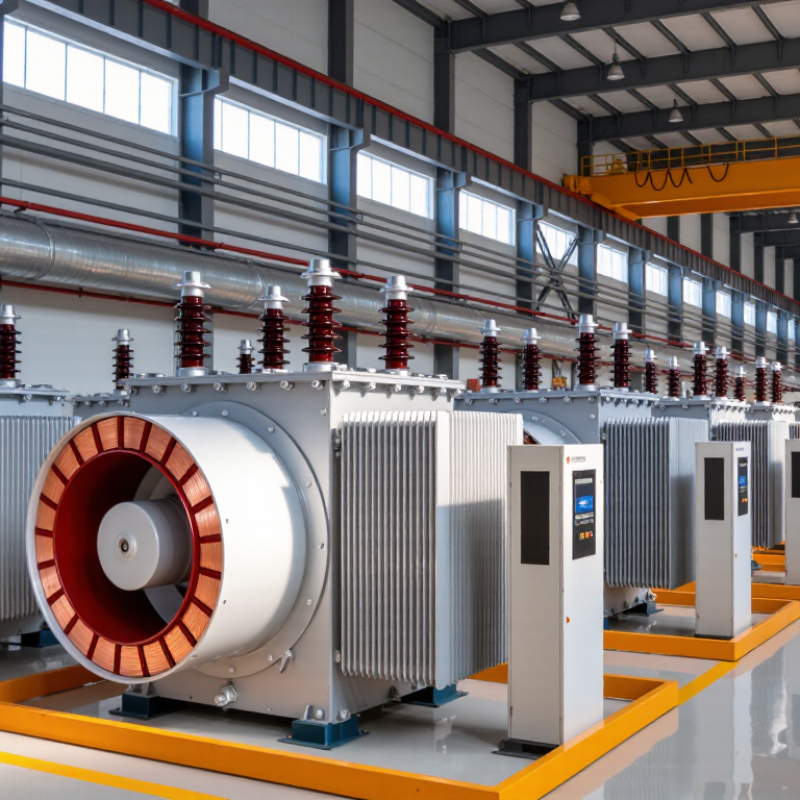
Understanding Electronic Power Transformers and Their Applications
Electronic power transformers transfer electrical energy between circuits through electromagnetic induction. They can change voltage levels, provide isolation, and help condition power for sensitive equipment. Their design depends on frequency, load, cooling method, and operating environment. Unlike a standard utility transformer, some electronic types work with high-frequency switching systems, allowing compact designs. Heat matters. A unit inside a control cabinet may need different cooling and insulation from one used in an industrial power converter.
Tips: Match the transformer’s rated voltage and power to the actual load. Check operating temperature, insulation class, and cooling requirements. When comparing suppliers, review test documentation and ask how performance is verified under expected conditions.
Applications range from motor drives and renewable-energy inverters to medical equipment and telecommunications systems. In a motor drive, the transformer may help isolate circuits and support stable power conversion. In an inverter installation, it must handle electrical loads that can vary throughout the day. Engineers sometimes focus too heavily on rated output; real operating conditions deserve equal attention. A tidy specification sheet can still leave questions about noise, vibration, or service access. Clarify these details early, and choose a supplier that can explain its design choices without making unsupported performance claims.
Criteria for Identifying Leading Global Suppliers
When comparing global electronic power transformer suppliers, start with engineering scope, not catalog size. A capable supplier should explain ratings, insulation class, cooling method, impedance, losses, and permitted temperature rise. Ask for test records tied to the exact design, including checks for ratio, winding resistance, and dielectric strength. Paperwork matters.
Manufacturing consistency is another useful test. Review controls for core stacking, winding tension, vacuum drying, and resin or oil handling, where applicable. Request traceability records for copper, electrical steel, insulation, and critical components. A factory visit can reveal clean work areas and calibrated instruments, but one visit cannot prove long-term performance. That distinction is easy to miss.
Judge service capability in practical terms: response times, spare-part availability, commissioning support, and clear failure-analysis procedures. Compare warranty terms and delivery reliability against the project’s voltage, duty cycle, and operating environment. Independent certifications and references from similar installations add confidence; check their dates and scope. Price still matters, yet the lowest quote may omit tests or support. No scorecard is perfect. Weight each criterion against the cost of downtime, and record unanswered technical questions before shortlisting suppliers.
Top 10 Electronic Power Transformer Suppliers Worldwide
Choosing among the top 10 electronic power transformer suppliers worldwide takes more than comparing headline capacity. A supplier’s experience with similar voltage levels, cooling methods, and operating environments matters. Ask for documented test results, including temperature-rise and insulation checks. The details count.
A useful comparison starts with the nameplate. Check rated power, frequency, impedance, and permitted temperature rise against the actual site requirements. Then review delivery lead times, spare-parts access, and technical support near the installation. A transformer may look suitable on paper yet need different connections or protection settings in the field. That mismatch can be costly.
A global top-ten ranking is never completely neutral; product ranges and regional service networks change over time. Treat rankings as a starting point, not proof of quality. Request references for comparable projects, and confirm that performance data applies to the proposed unit. Even careful buyers can miss a detail. Factory capacity, transport limits, or local maintenance coverage may matter more than a small difference in price. When reviewing suppliers, compare the same specifications and test conditions, not just similar-looking brochures.
Power Transformer Supplier Landscape: Common Grid Voltage Classes
Examples of nominal AC transmission voltage levels used in power grids worldwide. These values provide technical context for transformer applications; they are not a supplier ranking, and actual grid voltages vary by country and network.
Comparing Suppliers by Products, Markets, and Capabilities
Comparing ten electronic power transformer suppliers requires more than scanning product catalogs. Their ranges may include dry-type units for indoor facilities, oil-immersed transformers for utility networks, and compact models for commercial buildings. Some also engineer custom units for renewable-energy projects or demanding industrial loads. Details matter: rated capacity, voltage range, insulation system, cooling method, and enclosure design can determine whether a unit fits a site.
Markets shape supplier capabilities. A manufacturer serving utilities may offer large power transformers, grid studies, and field commissioning. Another may focus on data centers, factories, or transport systems, where delivery schedules and space constraints carry greater weight. Look for evidence of routine electrical testing, documented quality controls, and service support near the installation site. Ask about spare parts and repair response times, too. These are practical checks.
Price alone tells little. A lower quotation may exclude installation support or reflect a longer lead time. Compare warranty terms, testing records, customization options, and delivery commitments on the same basis. A spreadsheet can still miss the human factor: clear technical answers often reveal how well a supplier understands real operating conditions. And specifications are not the whole story. I would also check whether the proposed design suits the site’s ambient temperature, ventilation, and maintenance access—details that are easy to overlook during procurement.
Key Considerations for Choosing a Transformer Supplier
Top 10 Electronic Power Transformer Suppliers Worldwide?
Choosing a transformer supplier starts with fit, not price. Confirm voltage ratio, kVA rating, frequency, cooling method, installation conditions, and expected load profile. Ask for routine-test reports and relevant type-test evidence under IEC 60076. Check winding material, insulation system, temperature rise, losses, and noise against your project specification. A polished datasheet is not enough.
Delivery capacity matters, too. The IEA’s Electricity Grids and Secure Energy Transitions report says annual grid investment must rise to more than USD 600 billion by 2030. That pressure makes quoted lead times worth checking carefully. Ask how production slots are confirmed, which components have long procurement cycles, and what happens if a shipment slips. Request references for projects with similar ratings and operating conditions. Small details matter.
Compare total ownership cost, not just purchase cost. The U.S. Department of Energy’s distribution-transformer efficiency standards show why operating losses deserve attention: a unit runs for years, so small efficiency differences can accumulate. Review warranty limits, spare-parts availability, commissioning support, and response times. Ask for clear exclusions in writing. Then check whether service teams are actually accessible in your region. One awkward point remains: supplier scorecards can look precise while relying on optimistic delivery estimates. Verify the assumptions before signing.