Top Types of Security Cameras for Global Buyers?
Choosing the right security camera begins with understanding the environment, not the product brochure. Global buyers face different weather conditions, building layouts, network systems, and privacy expectations. A camera suited to a quiet indoor office may fail in coastal humidity, freezing temperatures, or a busy warehouse. This guide introduces the top types of Cameras Security solutions, including dome, bullet, PTZ, turret, wireless, and thermal models.
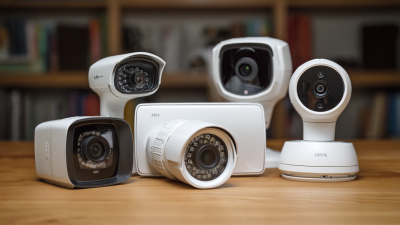
Each type offers a different balance of visibility, installation effort, image quality, and maintenance. Dome cameras provide discreet coverage in retail spaces and reception areas. Bullet cameras can monitor gates, driveways, and long outdoor corridors. PTZ cameras help cover large sites, while turret cameras often deliver clear images with flexible positioning. Wireless options simplify installation, but dependable signal strength remains essential. Thermal cameras can support visibility in darkness or fog, although they should not replace suitable lighting and professional assessment.
Details matter.
Experienced installers usually check viewing angles, night performance, storage capacity, and network stability before recommending equipment. Weather ratings, encrypted connections, firmware support, and reliable warranty service also influence long-term value. Buyers should confirm regional requirements and responsible data-handling practices before deployment. Product claims can sound impressive, yet real performance depends on placement, lighting, maintenance, and user training.
A common mistake is choosing resolution alone. Higher pixels do not fix glare, poor focus, or blocked sightlines. Careful planning does. This overview helps international buyers compare camera categories with practical expectations and make safer, more informed purchasing decisions.
Security Camera Basics: Purpose, Components, and Key Classification Standards
Security Camera Basics: Purpose, Components, and Key Classification Standards
A security camera records visual evidence, supports monitoring, and helps teams respond to unusual activity. It does not prevent every incident. I have found that clear coverage often matters more than a higher resolution number. A camera system usually includes a lens, image sensor, processor, housing, power supply, storage, and network connection. Infrared LEDs can reveal movement in darkness, while a microphone adds limited audio context. Audio rules vary by location, so buyers should check local requirements before enabling it.
Cameras are commonly classified by shape, function, viewing range, and installation setting. Dome models suit indoor ceilings and resist casual tampering. Bullet models provide visible, directional coverage for walls and entrances. Pan-tilt-zoom cameras cover large areas, but moving parts may require more maintenance. Thermal cameras detect heat patterns and can support visibility through fog, though they do not replace ordinary detail in every scene. No camera is perfect.
Global buyers should compare resolution, night performance, viewing angle, weather resistance, operating temperature, storage method, and network security. Look for ratings such as IP protection levels and impact resistance where relevant. Wired connections can offer stable performance, while wireless installation may reduce labor but depend on signal quality. I once underestimated glare from a glass doorway; the image looked sharp, yet faces remained unclear. Test lighting, mounting height, data protection, and maintenance access before purchasing. Local standards may differ.
Fixed, Dome, and Bullet Cameras for Common Security Installations
Top Types of Security Cameras for Global Buyers?
Fixed, dome, and bullet cameras remain practical choices for common security installations. Their value depends less on appearance than on location, lighting, and maintenance access.
A fixed camera
offers a stable viewing angle for entrances, corridors, and checkout areas. It is usually easier to configure and clean.
A dome camera
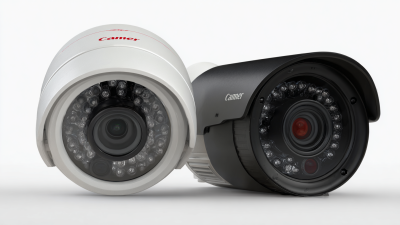
protects the lens inside a compact housing, making it suitable for offices, hotels, and indoor public spaces. Its wide coverage can reduce blind spots, although ceiling height and glare may affect image quality.
Bullet cameras
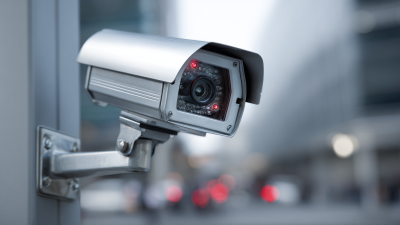
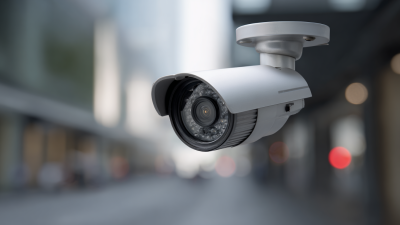
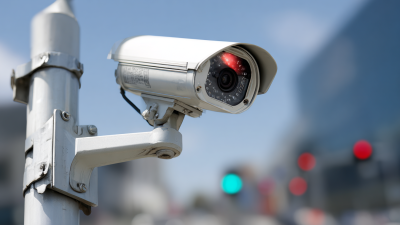
provide a visible, directional form for gates, loading zones, and long outdoor paths. Their extended housing can support weather protection, but poor mounting may expose them to wind and vibration.
The global video surveillance market reached approximately USD 53.7 billion in 2023, according to Grand View Research’s Video Surveillance Market Size, Share & Trends Analysis Report. The report also projects strong growth through 2030. That growth does not make every camera suitable. Practical testing matters more.
In my installation experience, a camera with excellent resolution still performs poorly when facing direct sunlight or reflective glass. Buyers should check IP ratings, infrared range, field of view, recording compatibility, and local maintenance conditions.
The ONVIF Profile specifications also support interoperability across compliant equipment, but compatibility should be tested before deployment.
Small details matter.
I once underestimated cable routes. That mistake increased labor time and weakened the final layout.
PTZ, Panoramic, and Thermal Cameras for Specialized Surveillance Needs
Global surveillance projects often need more than standard fixed cameras. PTZ, panoramic, and thermal models address different viewing problems. Selection should follow site layout, lighting, weather, and response procedures. A camera that looks impressive may still perform poorly when mounted too high.
PTZ cameras provide adjustable pan, tilt, and zoom for large yards, loading areas, and long access roads. Operators can follow movement and inspect distant details. Preset positions help, but they can miss activity between movements. Panoramic cameras create a broad view with fewer blind spots. They suit entrances, halls, retail floors, and open plazas. However, image edges may distort faces or small objects. Careful mounting height matters.
Thermal cameras detect heat rather than visible light. They can support monitoring in darkness, smoke, light fog, or uneven illumination. They are useful near boundaries, industrial sites, and remote facilities. Thermal images do not automatically provide clear identity details. Pairing thermal detection with visible-light verification often improves accuracy. Calibration, weather ratings, network security, and storage settings deserve equal attention. Local privacy rules and retention requirements should guide deployment. A frequent mistake is choosing resolution before defining the real detection task. That decision deserves a second look. Testing cameras at night, during rain, and from actual viewing distances can reveal weaknesses before installation.
Indoor, Outdoor, Wireless, and PoE Cameras for Different Environments
Choosing the right security camera depends on the environment, not only image resolution. Indoor cameras suit offices, hallways, shops, and homes with stable temperatures. Compact models can monitor entrances or storage rooms without dominating the space. Outdoor cameras need stronger housings, infrared night vision, and protection against rain, dust, and changing temperatures. A wide lens helps cover driveways, but it may reduce facial detail at a distance.
Wireless cameras work well where drilling is difficult or layouts change often. They are practical for rented spaces, temporary sites, and small offices. However, thick walls, metal structures, and crowded networks can weaken signals. PoE cameras use one Ethernet cable for power and data. This creates a cleaner installation and usually offers steadier connections for warehouses, campuses, and larger properties. Cable planning still matters. Poor routing can cause expensive rework.
Tips: Test the camera at night before final installation. Check faces, entrances, and blind corners from the actual viewing angle. Select outdoor equipment with suitable weather protection for your climate. Use strong access controls and update camera software regularly. Also, follow local privacy requirements, especially near neighbors or public areas. There is no perfect setup. A cheaper wireless option may outperform PoE in one building, while the reverse may be true elsewhere. Review the site carefully before buying.
Top Types of Security Cameras for Global Buyers: Indoor, Outdoor, Wireless, and PoE Cameras for Different Environments
IP protection ratings indicate resistance to dust and water. Indoor cameras commonly use basic enclosures, while exposed outdoor cameras generally require IP65 or IP66 protection. Wireless and PoE describe connectivity or power methods, so their enclosure rating depends on whether the selected model is designed for indoor or outdoor use.
The chart compares representative protection levels for common deployment examples. IP ratings are not linear durability scores, and actual specifications vary by camera model and installation environment.
How Global Buyers Compare Features, Compliance, Costs, and Maintenance
Global buyers compare security cameras by operating conditions, compliance, total cost, and maintenance—not by resolution alone. MarketsandMarkets’ 2024 Video Surveillance Market report estimates growth from about US$53 billion in 2024 to more than US$83 billion by 2029. That expansion reflects demand for IP, dome, bullet, PTZ, thermal, and wireless cameras. IP cameras suit scalable sites, while dome models resist tampering in busy interiors. Bullet cameras provide clear perimeter coverage. PTZ units follow movement across large yards, but their moving parts require closer inspection.
Compliance can change the purchasing decision.
Buyers should check encryption, access logs, firmware support, privacy masking, and data-retention controls. GDPR and similar privacy frameworks may require lawful processing, visible notices, limited retention, and careful cross-border transfers. NIST’s Cybersecurity Framework 2.0 supports this risk-based approach, although it does not replace local legal advice. A camera with strong analytics may still create unnecessary privacy exposure. That trade-off deserves honest review.
Cost calculations should include storage, bandwidth, licenses, installation, replacement, and technician visits.
Grand View Research’s 2024 report identifies cloud and analytics adoption as major market growth drivers, but subscription fees can quietly enlarge five-year costs. Maintenance is physical, too: dust on a lens, salt near a harbor, or weak Wi-Fi can ruin useful footage. I have seen buyers overvalue 4K images and undervalue service access. That was a poor assumption. Environmental ratings, spare units, update policies, and interoperability standards often matter more after installation.