Why Choose Retort Pouch Packaging for Global Buyers?
For global buyers, packaging decisions affect product safety, freight costs, shelf life, and consumer trust. Retort Pouch packaging offers a practical option for foods and other heat-processed products requiring extended storage. Its flexible structure uses less material than many rigid containers and often reduces shipping volume. That difference becomes visible in a warehouse, where lighter cartons occupy fewer pallets.
The main value comes from controlled thermal processing. A properly designed Retort Pouch can withstand high temperatures while protecting the product from oxygen, moisture, and light. However, performance depends on the complete system, not the pouch alone. Film selection, filling conditions, sealing pressure, retort temperature, and cooling procedures must work together. Supplier experience matters here. Buyers should request technical data, seal-strength results, migration testing, and batch traceability before approving production.
Small details matter.
A pouch with weak seals can fail during transport, even when its printed appearance looks excellent. Global sourcing also requires careful review of food-contact rules, labeling requirements, recycling guidance, and import documentation in each target market. No single structure suits every product. Acidic sauces, oily meals, pet food, and sensitive formulas may require different barrier materials and validation methods. Sustainability claims also deserve scrutiny, because many high-barrier flexible pouches remain difficult to recycle through local systems. A reliable supplier should explain these limits clearly, provide production samples, and support real-time testing rather than promising universal results. For buyers seeking efficient, compliant, and scalable packaging, Retort Pouch technology is worth considering—but only after evidence confirms its suitability.
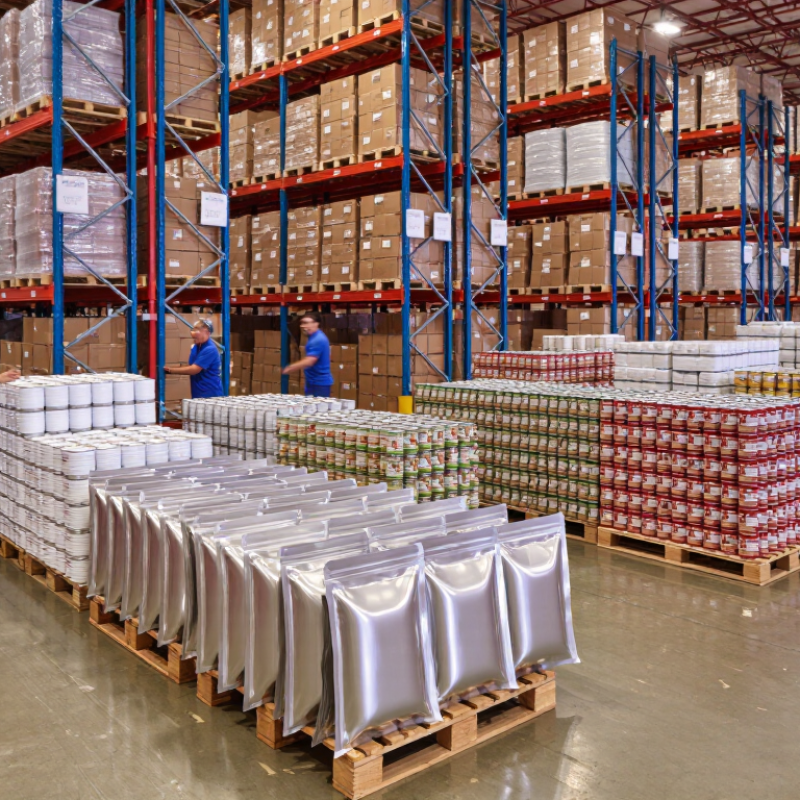
What Is Retort Pouch Packaging and How Does It Work?
Retort pouch packaging is a heat-processed flexible container for shelf-stable foods. It usually combines polyester, nylon, aluminum foil, and polypropylene layers. The exact structure depends on oxygen protection, product acidity, and filling temperature. Smithers’ report, The Future of Retort Packaging to 2028, estimates the global market will grow from approximately US$3.6 billion in 2023 to more than US$4.5 billion by 2028. That growth reflects demand for lighter, space-saving packaging.
The pouch is filled, sealed, and placed in a retort chamber. Steam or pressurized water heats the sealed package, commonly near 121°C, for a validated time. This process controls microorganisms and supports ambient storage without conventional refrigeration. During production trials, engineers check seal strength, pouch thickness, heat penetration, and product texture. A small sealing defect can become a serious export problem. It is not magic.
For global buyers, transport efficiency is a practical advantage. Empty pouches arrive flat, and finished packs often require less warehouse space than metal cans. The Flexible Packaging Association reported US flexible packaging sales of about US$39.5 billion in 2022, showing the sector’s industrial scale. Still, retort pouches are not perfect. Recycling multilayer structures remains difficult in many markets, and poor handling can cause punctures. Buyers should request migration testing, retort validation records, shelf-life evidence, and clear disposal guidance. A lower package weight does not automatically mean lower environmental impact.
What Sustainability and Branding Options Do Retort Pouches Offer?
Retort pouches give global buyers a practical balance between shelf stability, transport efficiency, and visual appeal. Their laminated structure protects food from oxygen, moisture, light, and heat. This protection can support long ambient storage without refrigeration. Less refrigerated shipping may reduce energy use in suitable supply chains. The pouch is also light and compact. That means more units can fit on a pallet, truck, or container.
Sustainability depends on design, not appearance alone. A lightweight pouch may use fewer raw materials than a rigid metal can or jar. However, many retort pouches combine plastic and aluminum layers, which can complicate recycling. Buyers should ask for material specifications, local recovery options, and verified life-cycle data. Do not call every pouch recyclable. That claim needs evidence. Some markets are developing mono-material structures, but heat resistance and seal performance still require careful testing. Small design changes matter. Removing excess layers, reducing ink coverage, and choosing efficient pack sizes can lower impact.
Branding remains flexible. High-resolution graphics can show color, texture, serving ideas, and clear preparation instructions. Matte or gloss finishes change shelf presence. Resealable zippers, easy-tear notches, and shaped formats can improve daily handling. A QR code may provide sourcing details or disposal guidance, if it remains readable after processing. Test the pouch under real distribution conditions. A beautiful sample can fail after vibration, compression, or repeated opening. Global buyers should review migration compliance, seal integrity, print durability, and language requirements with qualified packaging specialists. Practical judgment matters here. The cheapest format is not always the most responsible.
What Should Global Buyers Consider Before Choosing Retort Pouches?
Global buyers should examine retort pouches beyond their lightweight appearance. According to Smithers’ market outlook, global retort packaging demand is expected to grow steadily through 2028, near 6% annually. Growth is not enough. Product safety, filling equipment, and shipping conditions still decide performance.
Start with the product and process. High-acid sauces, seafood, and ready meals need different thermal schedules. Ask suppliers for seal-strength data, oxygen transmission rates, and accelerated-aging results. A weak seal can fail after months of warehouse heat. Confirm whether the pouch suits your retort temperature, pressure, and loading pattern. It may not. Packagers should also check migration testing and food-contact compliance for every destination. Requirements can differ between markets, even when the product looks identical.
Tips: Request production samples, not only laboratory sheets. Test them after retort processing, stacking, vibration, and freezing. Compare barrier performance with the actual shelf-life target. Smithers identifies convenience and shelf-life extension as major retort packaging drivers, but recyclability remains a difficult trade-off for multi-layer structures. Buyers should ask whether the proposed material has a documented local recycling route. Do not accept vague claims. Check minimum order quantities, artwork controls, replacement lead times, and technical support. A cheaper pouch can become expensive when a filling line needs new tooling. Packaging decisions should involve procurement, quality, logistics, and regulatory specialists before commercial approval.
Why Choose Retort Pouch Packaging for Global Buyers?
What should global buyers consider before choosing retort pouches?
For a comparable 400 g shelf-stable product, retort pouches typically require substantially less packaging material than metal cans or glass jars. Lower package weight can reduce freight costs and transport-related emissions, while buyers should still verify oxygen and moisture barriers, seal integrity, retort compatibility, filling capacity, migration compliance, and local recycling requirements. Values are indicative industry ranges and should be confirmed with the packaging supplier for the selected format and product.