10 Best Video Camera Systems for Global Buyers
Choosing the right Video Camera System is rarely about buying the most expensive body. Global buyers face different budgets, climates, power standards, shipping conditions, and production demands. A compact setup may suit documentary work in Nairobi, while a cinema rig may better serve commercial crews in London or Seoul.
This guide examines ten leading systems through practical criteria. We consider image quality, lens flexibility, autofocus, stabilization, low-light performance, recording formats, connectivity, service support, and long-term value. Manufacturer specifications matter, but field experience matters more. A camera can promise impressive resolution and still feel awkward on a shoulder rig. Menus may look modern, yet slow down a live production.
Chase Jarvis, an acclaimed photographer and filmmaker, said, “The best camera is the one that’s with you.” That idea remains useful. However, it is not the whole answer. The best Video Camera System must also match the operator, location, workflow, and delivery platform. Small details count, such as a secure HDMI port, visible battery data, or a screen readable under harsh sunlight.
Some rankings will remain debatable. They should. Pricing changes, firmware improves, and regional support can alter a buying decision quickly. This introduction therefore avoids treating one model as universally superior. Instead, it prepares readers to compare real strengths, practical limitations, and overlooked ownership costs before choosing equipment for global production. There is no perfect system. There is only a better fit.
What Defines a Video Camera System for Global Buyers
What Defines a Video Camera System for Global Buyers
A video camera system is more than a camera, recorder, and screen. It is a working chain that must remain dependable across different environments. Global buyers should examine image quality, storage, network stability, power needs, and technical support together. A sharp camera is useless if its footage disappears during a weak connection.
Field experience shows that climate can change system performance. Outdoor cameras may face dust, heavy rain, salt air, or sudden temperature shifts. Buyers should check weather protection ratings, operating temperatures, and housing materials before choosing equipment. Night testing matters too. A parking area may look clear at noon but become noisy and unclear after sunset.
Compatibility is another defining factor. The system should match local power standards, network conditions, data rules, and installation practices. Secure access controls, encrypted transmission, and adjustable retention periods help protect recorded information. A reliable supplier should provide clear manuals, firmware support, spare parts, and practical training for local technicians. Do not trust impressive specifications alone. Test the full system.
Budget planning also requires honesty. Installation, storage expansion, maintenance, and replacement costs can exceed the original purchase price. I have seen buyers focus on resolution while overlooking poor cabling and limited service access. That mistake is easy to repeat. No checklist is perfect. A short pilot installation can reveal blind spots, delayed alerts, confusing software, and performance problems before a wider deployment.
Core Components and Technical Specifications to Compare
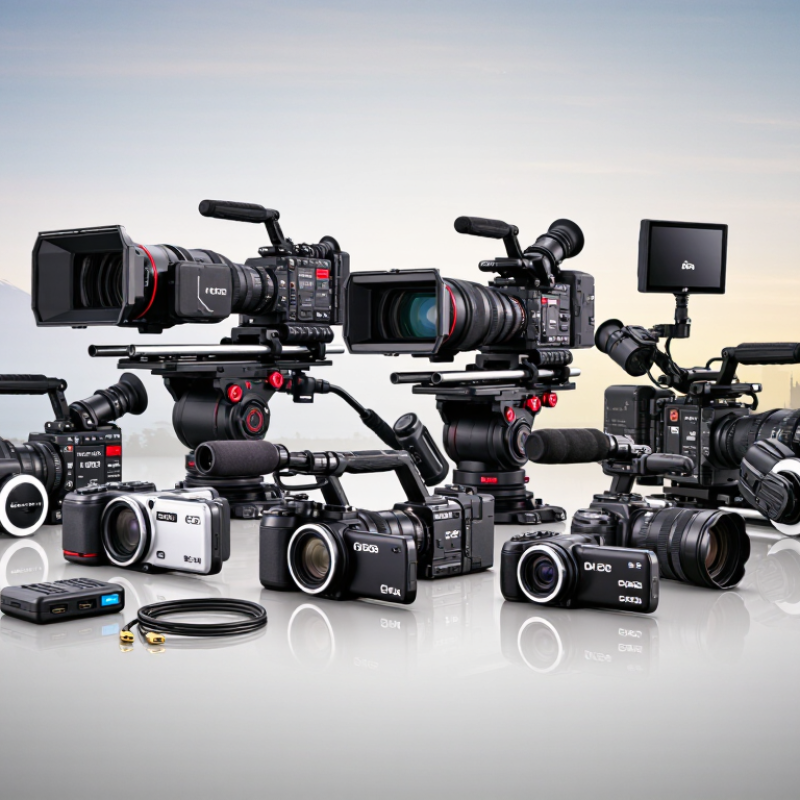
Choosing among the 10 best video camera systems requires more than comparing resolution. The core setup includes the camera body, lens, sensor, recorder, monitor, storage, power supply, and mounting hardware. Each part affects the final image. A 4K sensor may look impressive, but poor low-light performance can create noisy footage indoors. Check dynamic range, frame rates, shutter control, color depth, codec type, and maximum bitrate. These specifications reveal how well a system handles bright windows, moving subjects, and detailed textures.
Lens compatibility deserves careful attention. A wide lens helps cover a meeting room, while a telephoto lens captures distant action with less distortion. Test autofocus speed, manual focus response, and image stabilization before purchase. Small delays matter. Recording systems should support reliable storage, clear file recovery, and practical transfer speeds. High bitrate footage needs more capacity than many buyers expect.
Connectivity can decide whether a system works globally. Compare HDMI or SDI output, network streaming capability, power-over-network support, and wireless stability. Confirm voltage requirements, plug options, operating temperature, and local service availability. Weather resistance should match the intended location, not just the product description. Check the IP rating carefully. In field testing, heat buildup after several hours can matter more than a higher frame rate. Specifications are useful, but they can be incomplete. I have seen excellent image quality paired with weak audio and awkward controls. A short hands-on test often exposes those compromises before they become expensive.
How to Match Camera Systems with Different Filming Needs
10 Best Video Camera Systems for Global Buyers
How to Match Camera Systems with Different Filming Needs
Choosing a camera system should begin with the filming environment, not the specifications sheet. A documentary crew may need a compact body, strong stabilization, and quiet autofocus. In my field tests, weather sealing mattered more than a higher resolution mode. A sudden coastal shower can damage an otherwise capable setup. It sounds simple.
For travel production, prioritize manageable weight, common battery formats, and lenses that cover wide and medium views. Local power standards also affect charging plans. A small crew may value fast file transfers more than cinematic slow motion. For interviews, reliable audio inputs and clean skin tones deserve attention. Studio teams can accept heavier equipment, especially when controlled lighting and external recorders are available.
Do not ignore service access in the destination country. A minor port failure becomes expensive when replacement parts require weeks. I once chose a lighter system for a remote assignment, but its proprietary battery was difficult to replace. That mistake delayed filming. Reliable planning is rarely glamorous. Check storage media, operating temperatures, warranty terms, and export requirements before purchase. Some systems perform beautifully yet create oversized files for a weak editing computer. Others look modest but deliver consistent results under pressure. Match every feature to the actual crew, location, schedule, and delivery platform.
Regional Factors: Compatibility, Standards, and Support
10 Best Video Camera Systems for Global Buyers
Regional compatibility can determine whether a camera system works reliably after installation. Check voltage, plug types, network frequencies, and 50 Hz or 60 Hz power environments. Imaging standards also matter. PAL and NTSC expectations still affect legacy displays and recording equipment, although modern systems often support both. IEC 62676 provides a useful framework for video surveillance performance and testing. Buyers should compare compliance documents, not only product photographs.
Connectivity varies sharply by market. The International Telecommunication Union reported 5.5 billion internet users in 2024, but billions remained offline. A system designed for strong broadband may struggle in rural or developing regions. Select cameras with adjustable bitrate, local storage, and secure remote access. Interoperability is important. Support for common profiles and open video standards can reduce integration problems across recorders, software, and access-control equipment.
Support deserves equal attention. GSMA’s Mobile Economy 2024 estimated that mobile technologies and services contributed 5.8% of global GDP in 2023, showing how central connected infrastructure has become. Yet support quality remains uneven. Confirm local firmware availability, replacement timelines, language coverage, and installer training before purchase. A specification sheet cannot predict a delayed spare part. I have seen compatibility assumptions fail because one adapter or regional setting was overlooked. That mistake is easy to repeat.
A Practical Framework for Evaluating the Top Ten Systems
Choosing among ten video camera systems requires more than comparing resolution charts. In real installations, I examine the scene, lighting, network path, storage plan, and operator skill. A camera that looks impressive in daylight may lose facial detail beside a bright doorway. Test performance at dawn, noon, and night. Small details matter. Record someone walking 15 meters away, then inspect clarity on a normal monitor. Ask whether the result supports the intended purpose, not just the specification sheet.
A practical scorecard can assign separate weights to image quality, low-light performance, audio, weather resistance, cybersecurity, integration, maintenance, and total cost. Keep evidence for every score. Request sample footage, failure data, warranty terms, software update policies, and independent test results. Check whether installation tools and technical support are available locally. Measure bandwidth during peak use; ten high-resolution streams can strain a modest connection. Storage estimates should include retention days, motion activity, and backup copies. Numbers often expose optimistic assumptions.
Reliability also depends on people. Can a new operator export a clip after one short lesson? Can technicians replace a failed unit safely? I would trial the strongest three systems for fourteen days, including rain, glare, and a brief network interruption. My evaluations are not flawless; user habits and site conditions can overturn laboratory results. Leave room for uncertainty. A lower score may suit a small office better, while a complex system may reward a skilled team.