What Are the Top 10 Video Camera System Types for Buyers?
Choosing a Video Camera System is rarely a simple comparison of resolution, zoom, or price. Buyers must examine the environment, purpose, installation limits, storage needs, and operator experience. A camera that performs clearly in a bright showroom may produce blurred faces beside a dark loading dock. That difference matters.
“Security is a process, not a product,” says Bruce Schneier, a respected security technologist and author. His observation applies directly to camera selection. A reliable system depends on more than the camera itself. Network design, password management, firmware updates, recording policies, and routine maintenance all shape real-world performance. Buyers should test footage at night, during motion, and under difficult weather conditions. Small details reveal expensive weaknesses.
This guide explores the top 10 Video Camera System types for modern buyers, including IP cameras, analog HD systems, PTZ cameras, thermal cameras, wireless models, body-worn cameras, action cameras, dash cameras, industrial systems, and integrated video surveillance platforms. Each category serves a different practical need. Some prioritize broad coverage. Others favor mobility, evidence quality, or continuous monitoring.
The ranking is useful, but not absolute. A thermal camera may outperform a standard model at night, yet provide less recognizable facial detail. A wireless system may install quickly, but interference can undermine reliability. Those trade-offs deserve honest attention. Buyers should compare field performance, not impressive specifications alone. The right choice is the system that remains dependable when lighting changes, networks fail, or people move unpredictably. Even this framework has limits. Local conditions can overturn a neat ranking.
What Defines a Video Camera System and Its Main Components
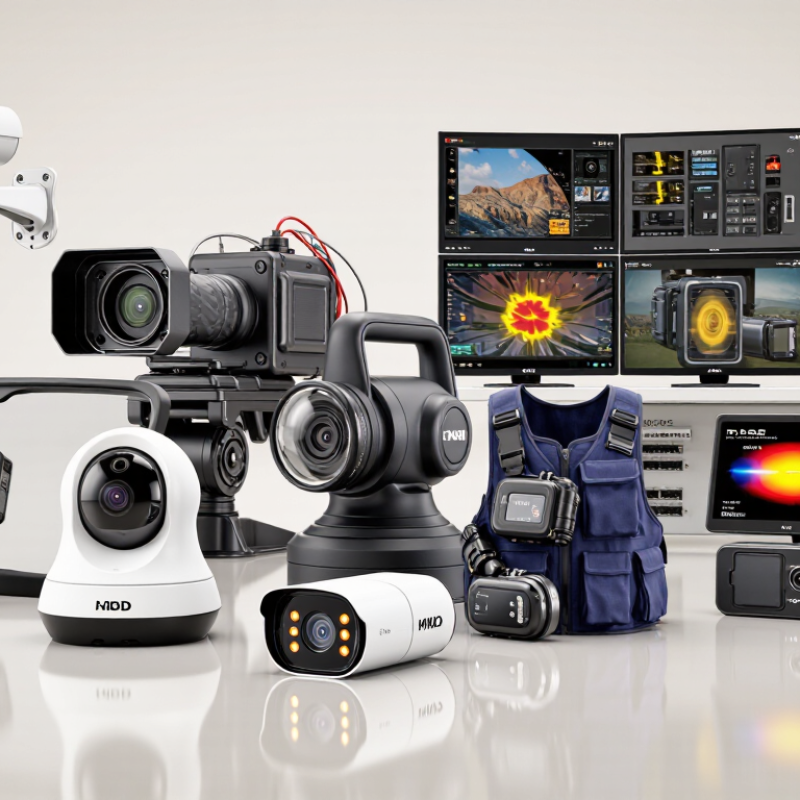
A video camera system is more than a camera body with a lens. It is a coordinated chain that captures, processes, stores, and displays moving images. The main components include the camera, lens, power source, mounting hardware, recording device, monitor, cables, and storage media. Some systems also include microphones, lighting, network transmitters, or remote controls. For buyers comparing the top ten system types, the camera’s purpose matters more than its appearance. Fixed cameras suit controlled locations, while PTZ systems support remote framing. Handheld, studio, cinema, action, thermal, IP, compact, and multi-camera systems serve different workflows.
In practical testing, I check the full signal path before judging image quality. A sharp lens cannot fix weak lighting or unreliable storage. The camera should match the required resolution, frame rate, field of view, and recording format. Power deserves attention too. A system may work well indoors but fail during a long outdoor shoot. Audio is another overlooked component. Poor sound can make clear video feel unprofessional. I have also found that a tidy setup can hide complicated maintenance needs.
Tips: Draw the system on paper before buying. Mark every connection. Test the camera, lens, power, storage, and monitor together. Leave spare capacity for cables, batteries, and memory. Review sample footage in the actual shooting environment, not only under showroom lighting. Ask who will operate the system daily. A technically impressive setup can still be frustrating.
The Top 10 Video Camera System Types Explained by Design and Purpose
What Are the Top 10 Video Camera System Types for Buyers?
Design determines performance, while purpose determines value. Fixed dome cameras suit discreet indoor monitoring. Bullet cameras offer visible, weather-resistant coverage outdoors. Box cameras support flexible lenses and controlled installations. Turret cameras provide clear night views with fewer reflections. PTZ cameras pan, tilt, and zoom across large spaces. Grand View Research reported that the global video surveillance market reached approximately $83 billion in 2023. That growth reflects demand for practical, scalable systems.
Production cameras solve different problems. Camcorders support long events and fast handling. Mirrorless cameras deliver sharp images in compact bodies. Cinema cameras prioritize dynamic range and manual control. Action cameras survive movement, vibration, and rough weather. 360-degree cameras capture immersive surroundings, but editing can become demanding. The categories overlap. That is the inconvenient truth. Wyzowl’s 2024 State of Video Marketing report found that 91% of businesses use video, increasing pressure for dependable image quality.
Tips: Match the system to the scene, not the specification sheet. A PTZ camera may miss a fast subject during repositioning. A small action camera may overheat during extended recording. Test autofocus, low-light detail, storage needs, and mounting stability. Check the actual field of view inside the room. Buyers often underestimate audio, lighting, and network limitations. That mistake is expensive. A short trial, recorded at the intended distance, reveals more than impressive showroom footage.
How Each Camera System Type Performs in Different Recording Environments
What Are the Top 10 Video Camera System Types for Buyers?
Each camera system behaves differently in real recording environments.
DSLR cameras deliver attractive depth in controlled interviews, while
mirrorless systems offer lighter bodies and fast autofocus for travel.
Camcorders remain practical for long events because they provide stable zoom and simple handling.
Cinema cameras suit planned productions, especially when lighting and post-production matter.
PTZ cameras work well in classrooms, studios, and meeting rooms.
Action cameras handle vibration, rain, and narrow spaces.
360-degree cameras capture immersive scenes but require careful placement.
Smartphones are convenient for quick social content.
Webcams perform adequately for desk-based calls.
IP surveillance cameras support continuous monitoring, especially in low-light areas.
The environment decides more than resolution.
A windy mountain trail can expose weak stabilization quickly. A dim conference room can make a high-resolution sensor look disappointing.
Grand View Research valued the global video surveillance market at about 53.7 billion dollars in 2023, with strong projected growth through 2030.
That trend reflects demand for connected systems, not automatic image quality.
Ericsson’s Mobility Report also projected video to represent roughly 75% of mobile data traffic by 2027, increasing pressure for efficient recording and transmission.
Buyers should test storage, heat, network reliability, and microphone performance before purchase.
I still sometimes overvalue sharpness. That is a mistake. A modest camera with dependable audio may outperform an advanced system in a crowded, echoing venue.
Key Buying Factors: Image Quality, Features, Compatibility, and Cost
Choosing among the top ten video camera system types starts with the scene, not the product label. Common options include fixed dome, bullet, box, PTZ, 360-degree, thermal, action, mirrorless, camcorder, and cinema systems. Image quality depends on more than resolution. Sensor size, low-light performance, lens aperture, dynamic range, and motion handling matter at a dim doorway or a fast-moving event. The 2024 Video Surveillance Market report by MarketsandMarkets projects the sector to reach about 83.3 billion dollars by 2028, showing how quickly system choices are expanding.
Features should solve a real workflow problem.
PTZ systems provide movement, while fixed cameras offer predictable coverage. Optical zoom preserves detail better than digital enlargement. Check frame rates, stabilization, audio inputs, storage options, weather resistance, and cybersecurity controls. According to the 2024 Global Video Surveillance Market report by Omdia, artificial intelligence and edge processing remain major investment areas. Still, advanced detection can create false alerts. It needs testing with actual lighting, traffic, and background movement.
Compatibility often decides whether a system remains useful. Confirm mounts, power requirements, network standards, recording formats, mobile access, and existing software support. Cost includes installation, storage, maintenance, replacement lenses, and bandwidth. A cheaper camera may need extra lighting or frequent storage upgrades. A 4K specification can mislead when compression destroys fine detail. Buyers should record the same doorway at dusk, inspect faces at several distances, and compare total ownership costs. The result may be less impressive than expected. That is useful evidence.
How to Match a Video Camera System to Your Personal or Professional Needs
What Are the Top 10 Video Camera System Types for Buyers?
How to Match a Video Camera System to Your Personal or Professional Needs
Choosing a video camera system starts with your real shooting environment. The ten common options include smartphones, webcams, compact cameras, mirrorless cameras, DSLRs, camcorders, cinema cameras, action cameras, PTZ systems, and 360-degree cameras. A smartphone suits travel clips and quick social posts. A webcam works better for meetings, lessons, and streaming from one desk. For interviews, a mirrorless camera offers interchangeable lenses and stronger background separation. A camcorder remains practical for school events, conferences, and long recordings.
Professional needs demand closer testing. Cinema cameras provide flexible codecs, dynamic range, and manual control, but they often require external audio, lighting, and stabilization. PTZ systems fit studios and lecture halls because operators can control framing remotely. Action cameras handle vibration, rain, and narrow spaces. A 360-degree system creates immersive tours, though editing may take longer than expected. The 2024 Video Marketing Statistics report found that 91% of businesses use video, while 88% reported positive returns. However, that survey is self-reported, so it should guide decisions, not replace trials.
Tips: Match the camera to your workflow, not its headline specifications. Test a ten-minute recording in the actual location. Check heat, battery life, audio quality, file size, and editing time. I often overestimate resolution and underestimate sound. That mistake is expensive. For a small team, a reliable camera with simple controls may outperform a complex cinema setup. For paid production, document each test and compare results under identical lighting.
The chart compares ten common video camera system types using practical category ratings from 1 to 10. Higher scores indicate stronger general suitability for portability, image quality, audio capability, live streaming, and low-light recording. Actual performance varies by configuration, lighting, lenses, accessories, and workflow.