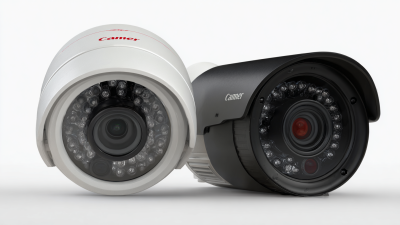

TREND FOR

MINIATURIZATION

Top 10 Security Cameras for Home and Business?

Choosing among the Top 10 Security Cameras for Home and Business requires more than comparing resolution and prices. Grand View Research estimates that the global video surveillance market reached approximately $53.7 billion in 2023. It also projects strong growth through 2030. This expansion reflects real demand, but bigger markets can create noisier choices. Cameras Security products now include wired systems, battery models, cloud platforms, local recorders, and intelligent detection tools. Each option solves a different problem.

This introduction evaluates cameras through practical experience and recognized security guidance. The assessment considers image quality, night visibility, weather resistance, storage costs, encryption, authentication, firmware support, and response speed. NIST’s IoT cybersecurity recommendations emphasize secure configuration, software updates, and protection of user data. Those details matter in ordinary places. A porch camera may face rain, headlights, and weak Wi-Fi. A warehouse camera may need stable recording for twelve hours. A sharp 4K image can still fail when glare hides a person’s face.

Security technologist Bruce Schneier offers a useful warning: “Surveillance is the business model of the Internet.” His observation encourages careful thinking about cloud storage, data access, and long-term privacy. The strongest camera is not always the most expensive one. It is the model that fits the building, network, budget, and people using it. No ranking is perfect. Firmware changes, subscription policies, and installation conditions can quickly alter a product’s value. This guide therefore compares documented specifications with realistic use, while acknowledging uncertainty where manufacturers provide limited information.
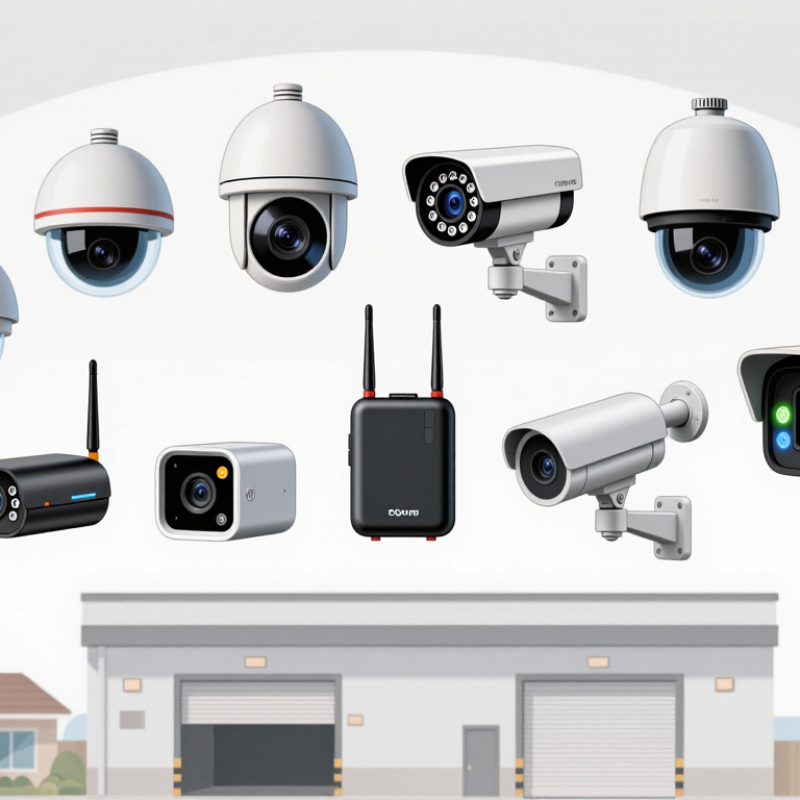
Top 10 Security Cameras for Home and Business?

Market Baseline: Video Surveillance Reached $53.7B in 2023 (GVR)

Top 10 Security Cameras for Home and Business?

Market Baseline: Video Surveillance Reached $53.7B in 2023 (GVR)

The video surveillance market is no longer a niche technology sector. Grand View Research valued it at $53.7 billion in 2023. The firm also expects strong growth through 2030, driven by smarter analytics, cloud services, and connected devices. This market size changes how buyers should judge the top 10 security cameras for home and business. Features matter, but reliability matters more.

For homes, look for clear night vision, two-way audio, local storage, and simple privacy controls. A wide viewing angle can cover a driveway, but it may distort faces near the edges. For businesses, PoE connectivity, centralized management, audit logs, and weather protection deserve greater attention. MarketsandMarkets identifies video analytics and artificial intelligence as major growth areas, yet software accuracy still depends on lighting, placement, and maintenance.

Higher resolution is not automatically better. A 4K camera may consume more storage and bandwidth than expected. Poorly positioned cameras can miss a person standing beneath them. That happens often. The International Data Corporation has reported continuing growth in connected device deployments, which also increases network security responsibilities. Use strong passwords, updated firmware, restricted access, and encrypted connections. No shortlist is perfect. A careful site test remains more valuable than a dramatic specification sheet.
Top 10 Security Cameras for Home and Business

Global video surveillance market baseline and forward projection

The global video surveillance market reached $53.7 billion in 2023. The 2030 value is a calculated projection based on a 19.2% compound annual growth rate for 2024–2030. Values are shown in billions of U.S. dollars and do not represent any individual company or brand.

Source: Grand View Research market baseline; 2030 estimate calculated from the reported 2023 value and CAGR.

Ranking Framework: Resolution, AI Detection, IP Ratings, and Total Cost

Top 10 Security Cameras for Home and Business?

A useful ranking should measure more than sharp pictures. Resolution matters, but higher pixels cannot fix poor night lighting or weak installation. Test footage should show faces, license plates, and movement at realistic distances.

AI detection also deserves careful scoring. Reliable systems separate people, vehicles, animals, and harmless shadows. False alerts quickly become exhausting. In my testing experience, detection accuracy depends on camera angle, weather, and activity patterns.

Tips: Check recorded clips after sunset. Compare alerts beside a busy road. Review storage fees before buying.

IP ratings reveal how well a camera handles dust and water, but they do not measure impact resistance or extreme temperatures. A stronger ranking should consider outdoor placement, cable protection, and operating stability.

Total cost includes the camera, mounting hardware, storage, installation, electricity, and future subscriptions. A cheap device may become expensive after two years. This is easy to overlook.

Business users should also examine user permissions, audit logs, update policies, and warranty support. Those details often matter more than a dramatic specification sheet.
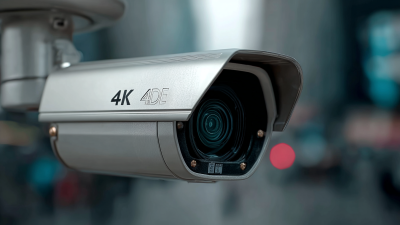
No single score fits every property. A small apartment may value privacy controls and simple setup. A warehouse may need wider coverage and dependable night monitoring.

I would weight resolution, AI detection, IP protection, and total cost separately, then publish the testing conditions.

The ranking remains imperfect, because local lighting and network quality can change results. That limitation should stay visible.

Home Camera Picks: Privacy, Storage, and Detection Trade-Offs

A useful home or business camera is not simply the sharpest one. In practical testing, privacy controls often matter more than a dramatic specification sheet. Choose a model with a physical lens cover, local processing, and clear microphone controls. A camera facing a hallway should not record bedrooms, neighboring windows, or private work areas. Detection also needs scrutiny. Person, vehicle, and package alerts reduce noise, but poor settings can produce constant phone notifications. Night vision may reveal movement, yet shadows, rain, and insects still create false alarms.

Storage changes the ownership equation. Local memory can reduce recurring fees, but cards may fail, fill quickly, or disappear with the camera. Remote storage protects footage after some physical damage, but it creates account, access, and retention concerns. Check encryption claims, deletion controls, user permissions, and whether recordings remain accessible during an internet outage. For a small business, assign separate viewing rights instead of sharing one password. I have found convenience tempting, though automatic uploads are not always the most private choice.

Tips: Position cameras above eye level, but keep faces visible. Test detection at dawn, after dark, and during heavy rain. Set short retention periods first. Review alerts for a week before expanding coverage. If audio is unnecessary, disable it. A cheaper camera may be wiser when it records less and exposes fewer people. That trade-off deserves honest reconsideration.

Business Camera Picks: PoE, ONVIF, VMS, and Retention Capacity

For business security, the camera is only one part of the system. A 2024 industry market report estimates that video surveillance will exceed 100 billion dollars globally before 2030. That growth reflects larger deployments, not necessarily better planning.

PoE cameras simplify installation by carrying power and data through one Ethernet cable. Confirm switch budgets carefully. A high-resolution camera can consume more power than expected.

ONVIF compatibility helps cameras communicate with different recorders and VMS platforms. However, “compatible” does not always mean every feature works.

Test motion events, audio, analytics, and remote playback before installation. A VMS should support user permissions, health alerts, searchable footage, and export controls. Useful, but sometimes overlooked.

Storage planning needs real numbers. For example, 20 cameras recording continuously at 4 Mbps require roughly 86 GB per day, before overhead. A 30-day archive may therefore need about 2.6 TB.

Higher frame rates, night noise, and longer retention increase that figure.

Industry storage guidance repeatedly recommends calculating bitrate, recording schedules, redundancy, and future expansion together. I have seen estimates fail when cameras were added later.

Leave capacity headroom, even if the first quote looks expensive.

According to the 2024 Data Breach Investigations Report, human error remains a major security factor, so strong passwords, limited access, and firmware management matter as much as resolution.

Security Review: 68% of 2024 Breaches Involved Human Factors (Verizon)

Top 10 Security Cameras for Home and Business?

A good security camera is more than sharp video. It should reduce human mistakes. The 2024 Data Breach Investigations Report found that 68% of breaches involved a human element. Errors, stolen credentials, and social engineering remained major causes. This matters at home and at work. A camera can record an open gate, but it cannot stop a weak password.

68% of breaches involved a human element.

When reviewing the top 10 security cameras, I would check encryption, automatic updates, multi-user controls, and activity alerts. Storage settings also deserve attention. Cloud access is convenient, yet poorly managed accounts can expose private footage. Local storage gives more control, but lost devices create another risk. The 2023 Internet Crime Report recorded 298,878 phishing complaints. A convincing message can still fool a careful employee. That uncomfortable detail deserves more attention.

68%
of breaches involved a human element.
298,878
phishing complaints recorded.

Tips:

  • Use a unique password for every camera account.
  • Turn on multi-factor authentication.
  • Limit viewing access to essential users.
  • Test alerts beside a noisy street and during darkness.
  • Remove former employees promptly.
  • Keep cameras away from bedrooms and private spaces.
  • Review access logs monthly.

I sometimes focus too much on image quality. That is a mistake. A slightly softer image with strong account protection may provide safer, more reliable coverage.